How does a base station work, and what determines your exposure?
A base station maintains a continuous radio link with the phones in its coverage area, and its antennas radiate energy focused in specific directions. Distance alone does not determine your exposure: the direction of the antenna's main beam, the floor you live on, the structures in between and the orientation of your façade matter at least as much.
That is why a flat directly below an antenna sometimes measures a tenth of the field of a flat in the building opposite: the main beam looks forward over the rooftops. Windows are the main entry path, because standard glazing provides little attenuation.
- The main beam usually radiates close to the horizon with a slight downward tilt — façades opposite at the same height as the antenna are the most affected zone
- Concrete and solid brick walls partially attenuate the waves; glass, timber and aerated concrete let most of them through
- Data traffic drops at night, but the carrier signals stay on air 24/7
What has 5G changed?
On top of the existing 700 MHz – 3.8 GHz bands, 5G introduced millimetre-wave (mmWave) bands above 26 GHz in some countries, together with beamforming, which steers the beam towards the user. More and smaller cells mean sources moving closer to living spaces.
The good news for shielding: high frequencies find it even harder to pass through conductive layers. YSHIELD attenuation reports are published up to 40 GHz — so a shield installed today is also ready for future bands, mmWave included.
What should I do in my home?
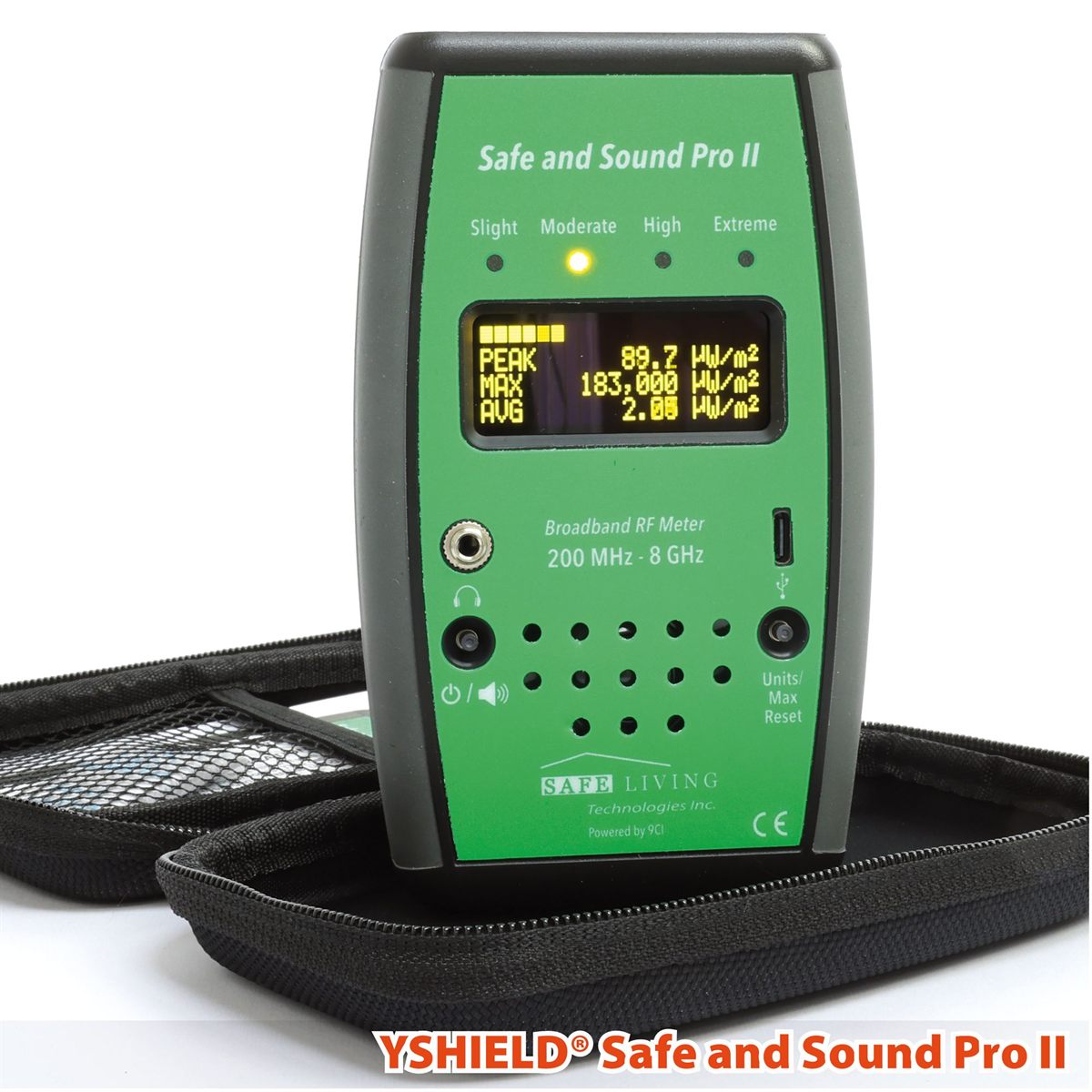
The first step is to see the situation: from which façade, and how strong? You can check this yourself with an RF meter, or we can assess it together during the free survey stage of our turn-key projects.
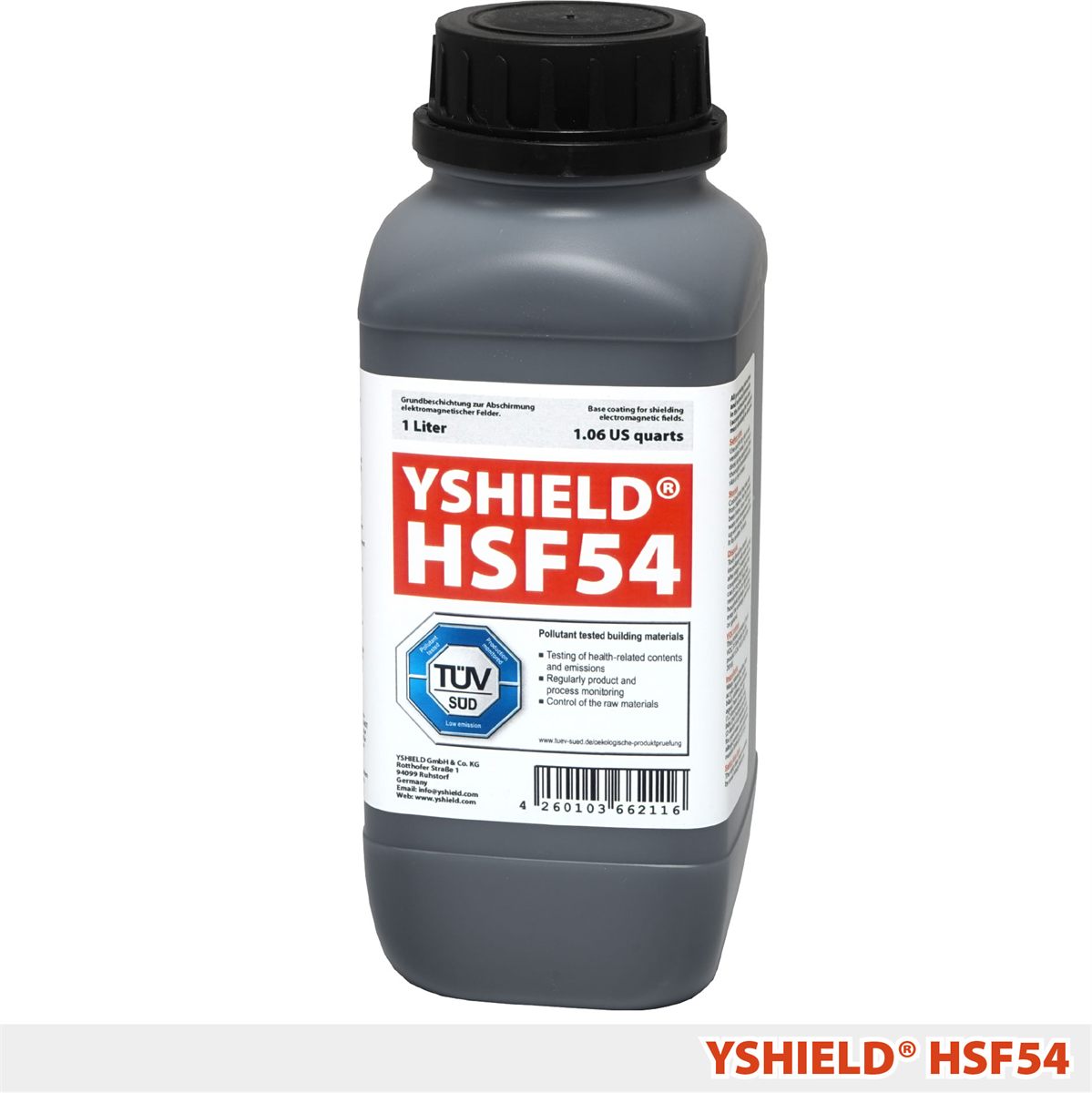
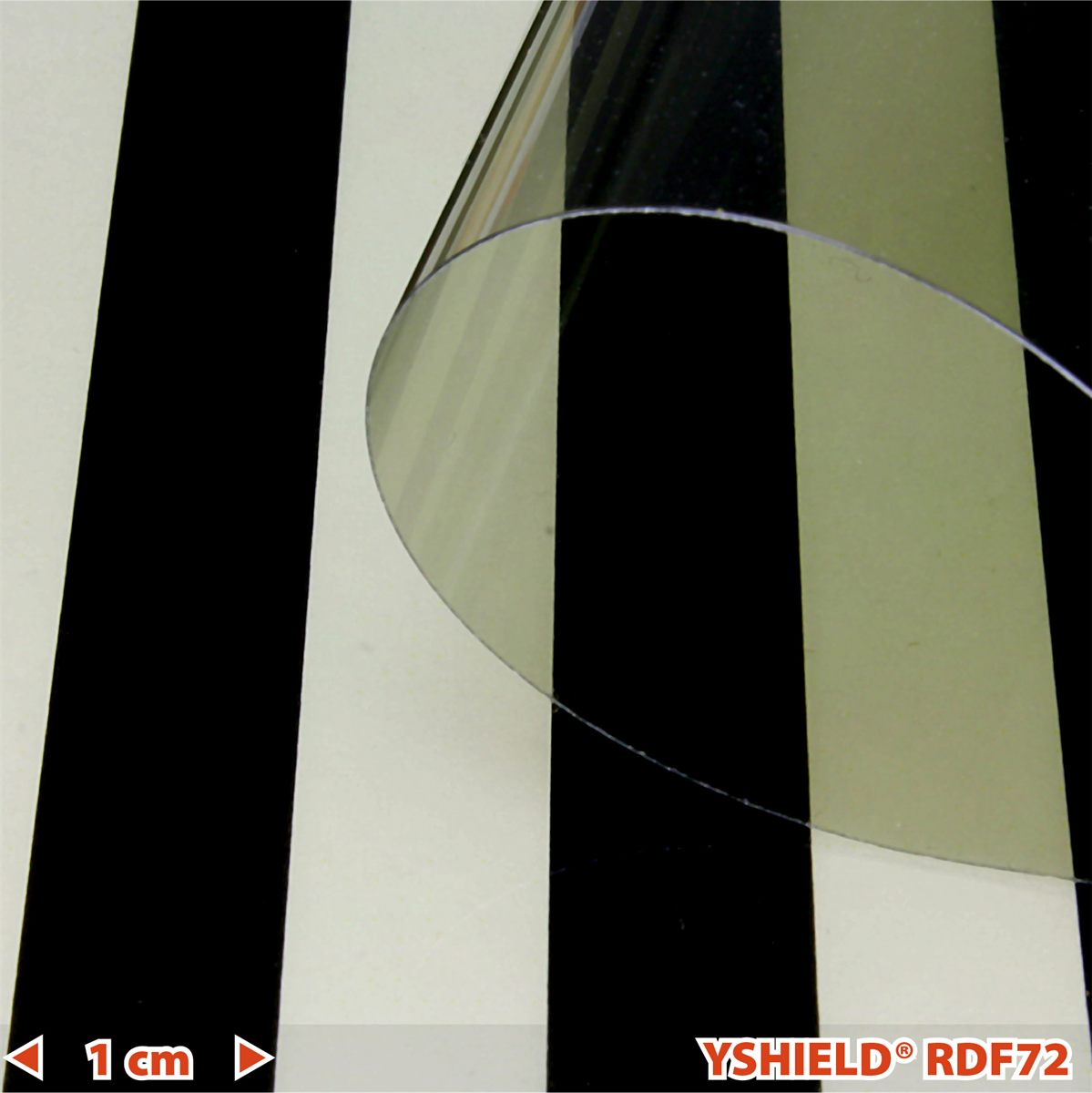
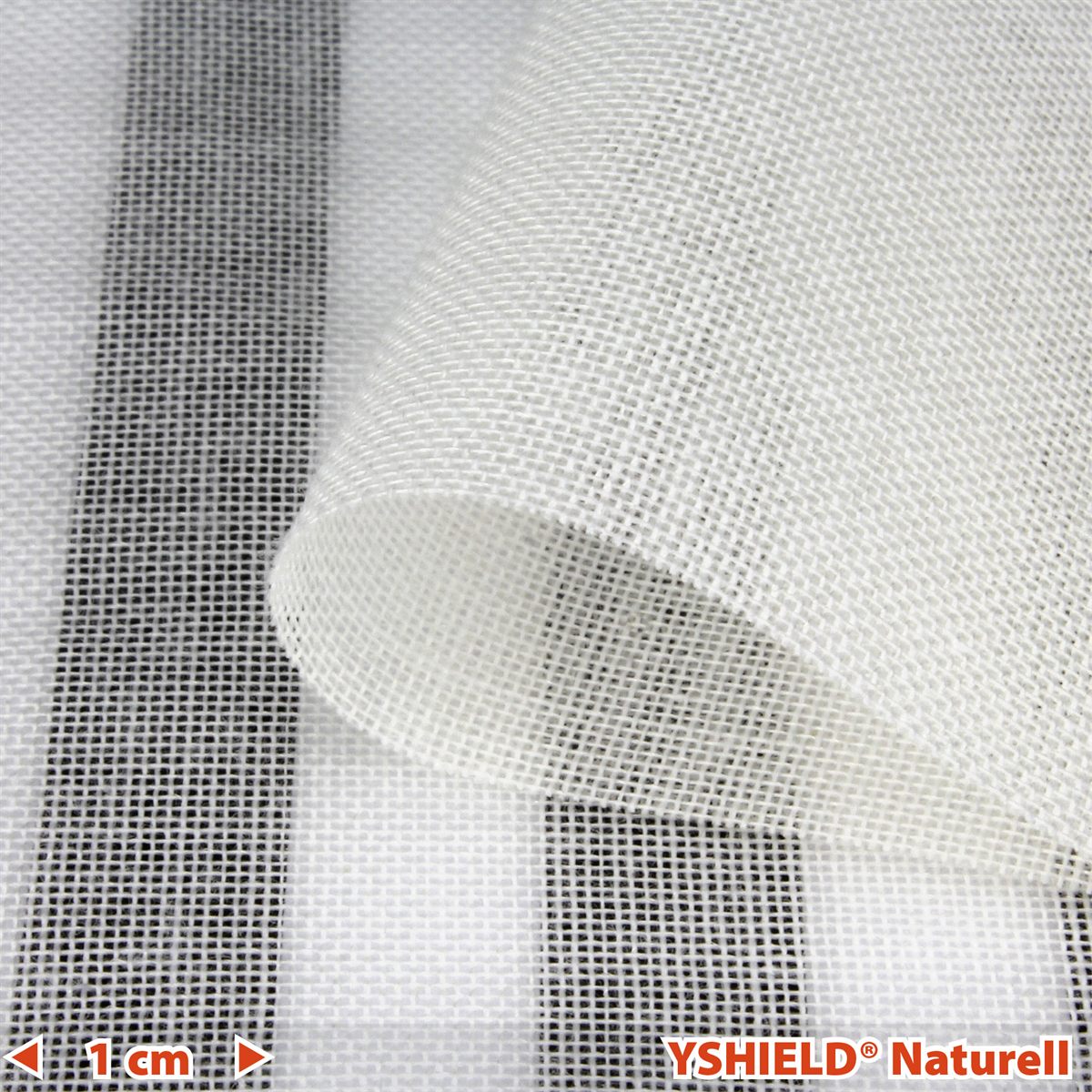
The typical solution has three layers: shielding paint for the walls facing the antenna, window film or shielding net curtain for the glazing, and grounding and continuity for the details. Both budget scenarios that protect only the bedroom and whole-façade projects are possible.
Frequently Asked Questions
How many metres from a base station is safe?
Distance alone is misleading: the antenna's direction, its height and the obstacles in between are what count. A flat 100 metres away can measure more than one 300 metres away if it sits in the main beam. Only an on-site measurement gives a clear answer.
Is 5G more harmful than 4G?
There is no scientifically settled 'more harmful' verdict; what changes is the number of sources, the variety of bands and the beamforming behaviour. The precautionary principle recommends reducing exposure by reasonable means for both technologies.
Would hanging just a curtain be enough?
If the signal enters mainly through the glazing, a shielding net curtain makes a serious difference (38-48 dB). If the walls are also transparent to RF (aerated concrete, lightweight construction), a combination with paint is needed; the weakest surface sets the strength of the shield.
The antenna is on my building's roof — is my flat affected?
The space directly below an antenna is usually outside the main beam, but feeder cables and side lobes still produce fields. Ceiling shielding can be considered for top-floor flats; measuring first is recommended.