The risk triangle: IEMI, eavesdropping, pulses
Critical facilities manage three distinct electromagnetic threats together: intentional interference (IEMI — attempts to disrupt systems with improvised transmitters), data leakage (the TEMPEST surface) and high-energy pulses (EMP/grid events).
The answer to all three runs through the same architectural principle: defining the critical volume and separating it from the outside world with a measurable envelope. In European regulation, critical-infrastructure (KRITIS) frameworks demand this resilience ever more explicitly.
Implementation layers
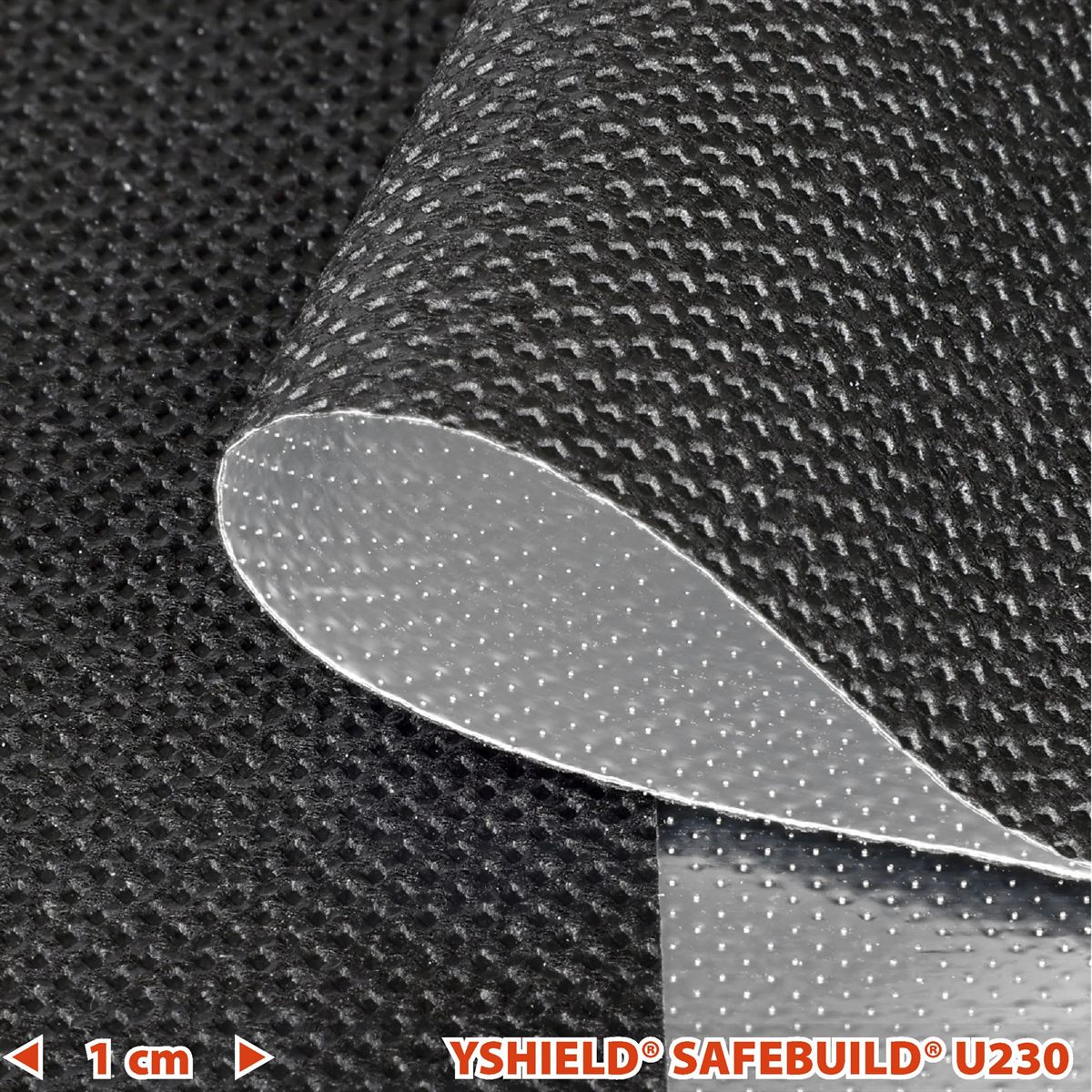
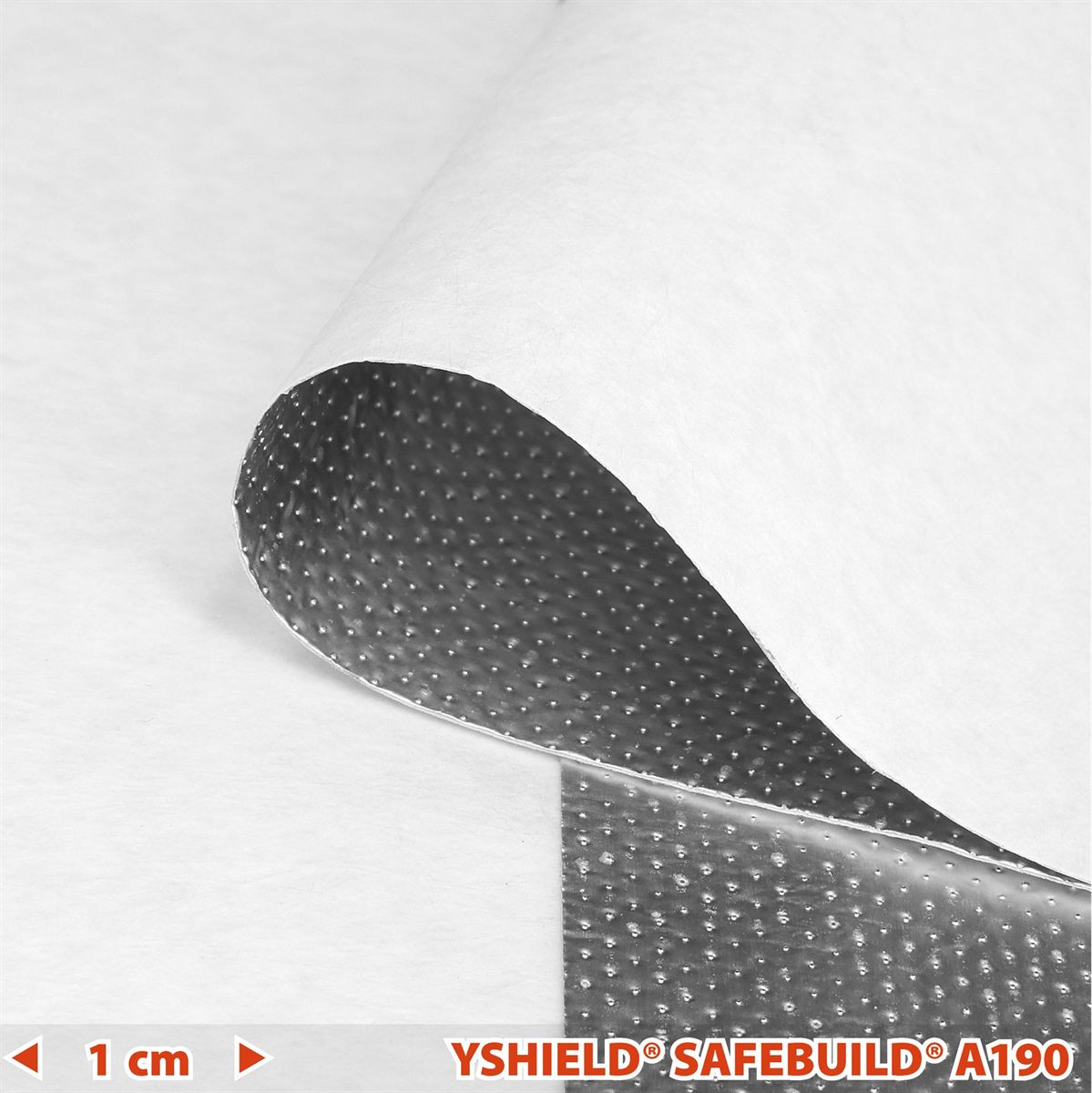
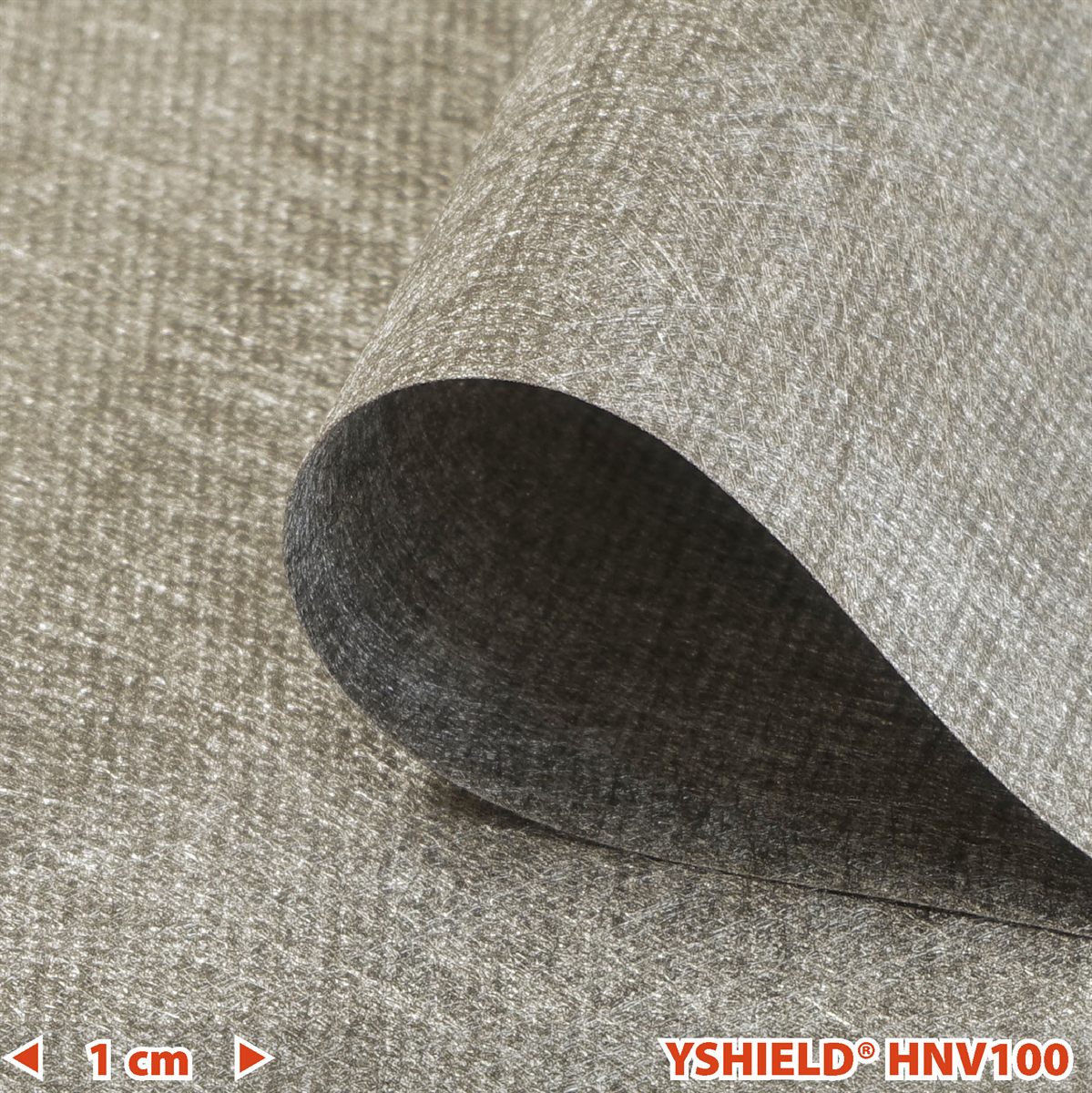
- Building shell: U230 under the roof/façade in new construction, A190/HNV100 layers on interior surfaces
- Room envelope: shielding all six surfaces of the server hall, complete with door and penetration details
- Cabinet level: enveloping the most critical nodes separately (graded protection)
- Line discipline: filters/fibre at power and data entries, a single controlled point of entry
- Verification: IEEE 299-based acceptance measurement, retesting after changes
The case for the investment
Electromagnetic resilience is like a fire-suppression system: insurance against low-probability, disaster-scale events. An 'EM resilience' line in audits and customer commitments is no longer the exception, and a layer added at the design stage costs a small fraction of a later retrofit.
We offer facilities specification development, material supply and installation supervision on a turn-key basis; on projects requiring confidentiality we work under mutual NDAs.
Frequently Asked Questions
Can it be retrofitted to an existing data centre?
Yes — the graded approach exists precisely for this: the most critical hall or cabinet is enveloped first, and the building shell is scheduled for major maintenance windows. Zero-downtime transition scenarios are designed at the survey.
Which dB target is right?
It is set in the 60-100+ dB band according to the threat model: eavesdropping-focused projects prioritize the GSM/Wi-Fi bands, pulse-focused ones broadband performance. The target is written into the contract as a measurable acceptance criterion.
Doesn't shielding complicate cooling and cabling?
Not with the right details: ventilation is solved with waveguide honeycombs, cabling with a single point of entry and filters. These are standardized engineering details.