Why the bedroom first?
Nowhere else do we stay as long and as still as in bed: 2,500-3,000 hours a year, always at the same coordinates. Since exposure is 'intensity × time', the same budget always returns the most in the sleeping area.
That is why the building-biology measurement standard (SBM-2015) defines its guideline values specifically for sleeping areas and treats below 0.1 µW/m² at high frequency as 'no anomaly' — a target millions of times more cautious than the official limits.
The bedroom's four source groups
- External high frequency: base stations, neighbours' Wi-Fi/DECT — enters through walls, glazing and the roof
- Internal high frequency: the home's own router, phones, smartwatches and the TV
- Wiring electric fields: the cables in the wall behind the bed and extension leads (even with devices switched off)
- Magnetic fields: the distribution board, the supply riser, a neighbouring transformer or the refrigerator behind the wall
The step-by-step plan
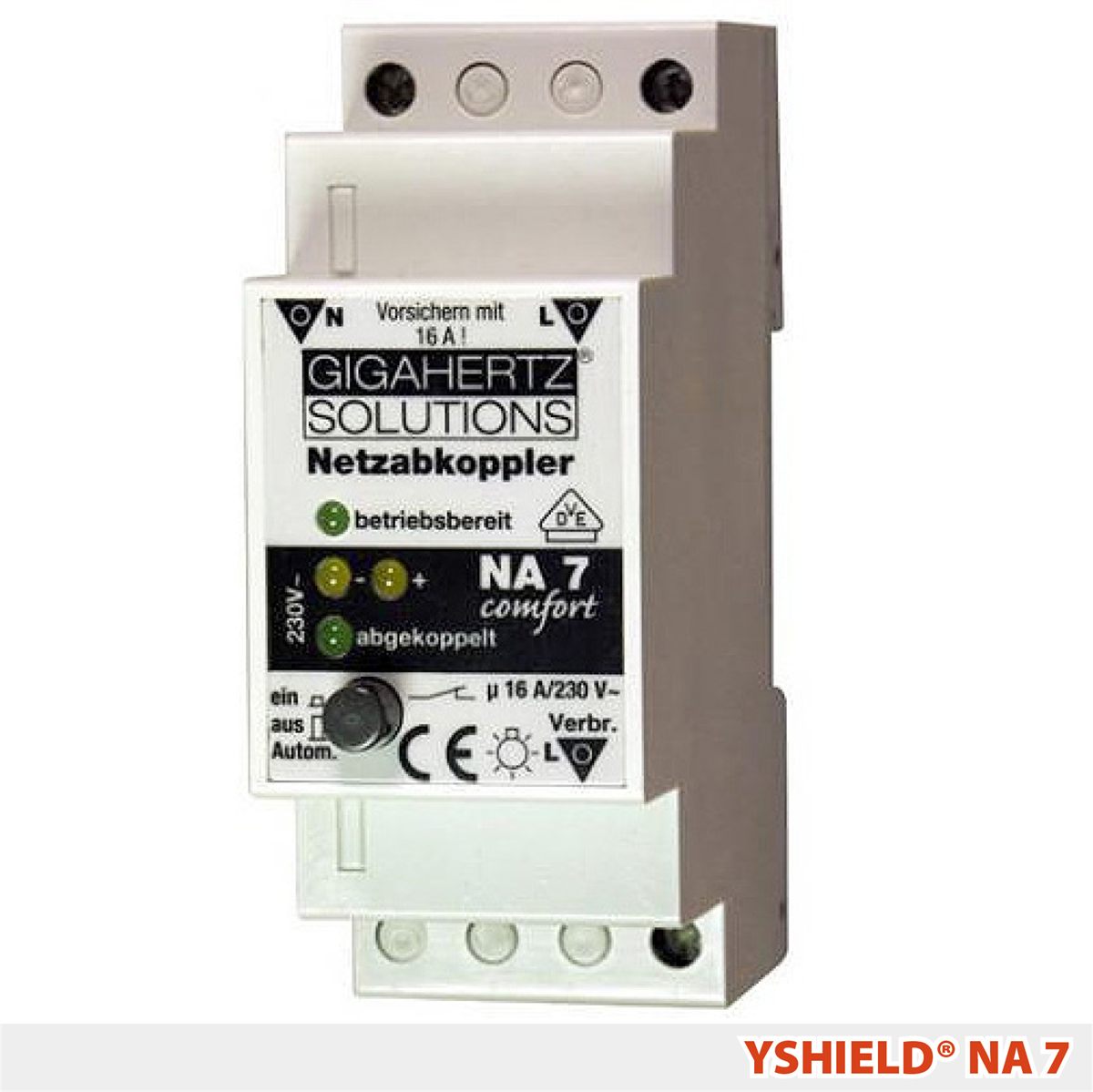
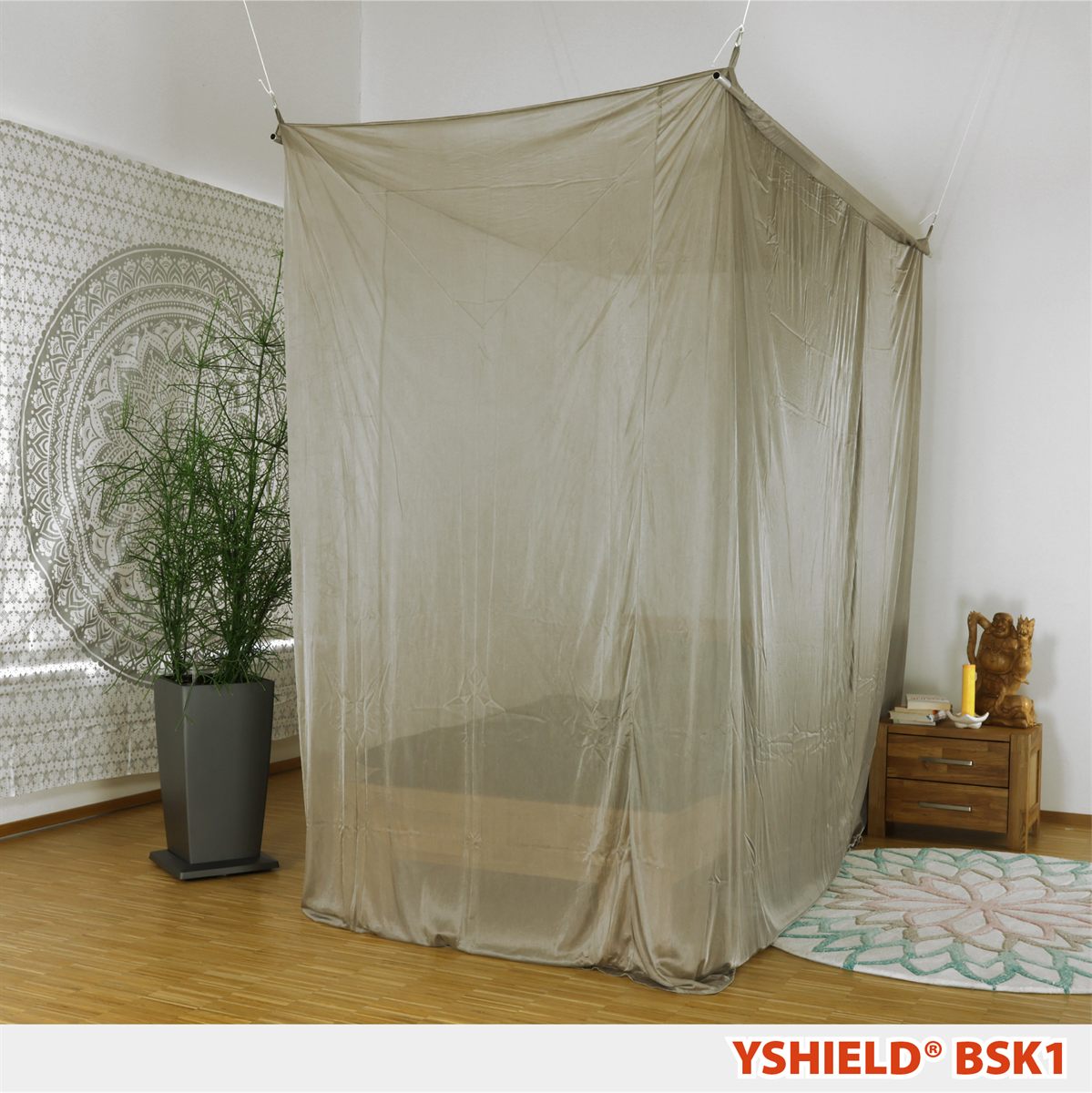
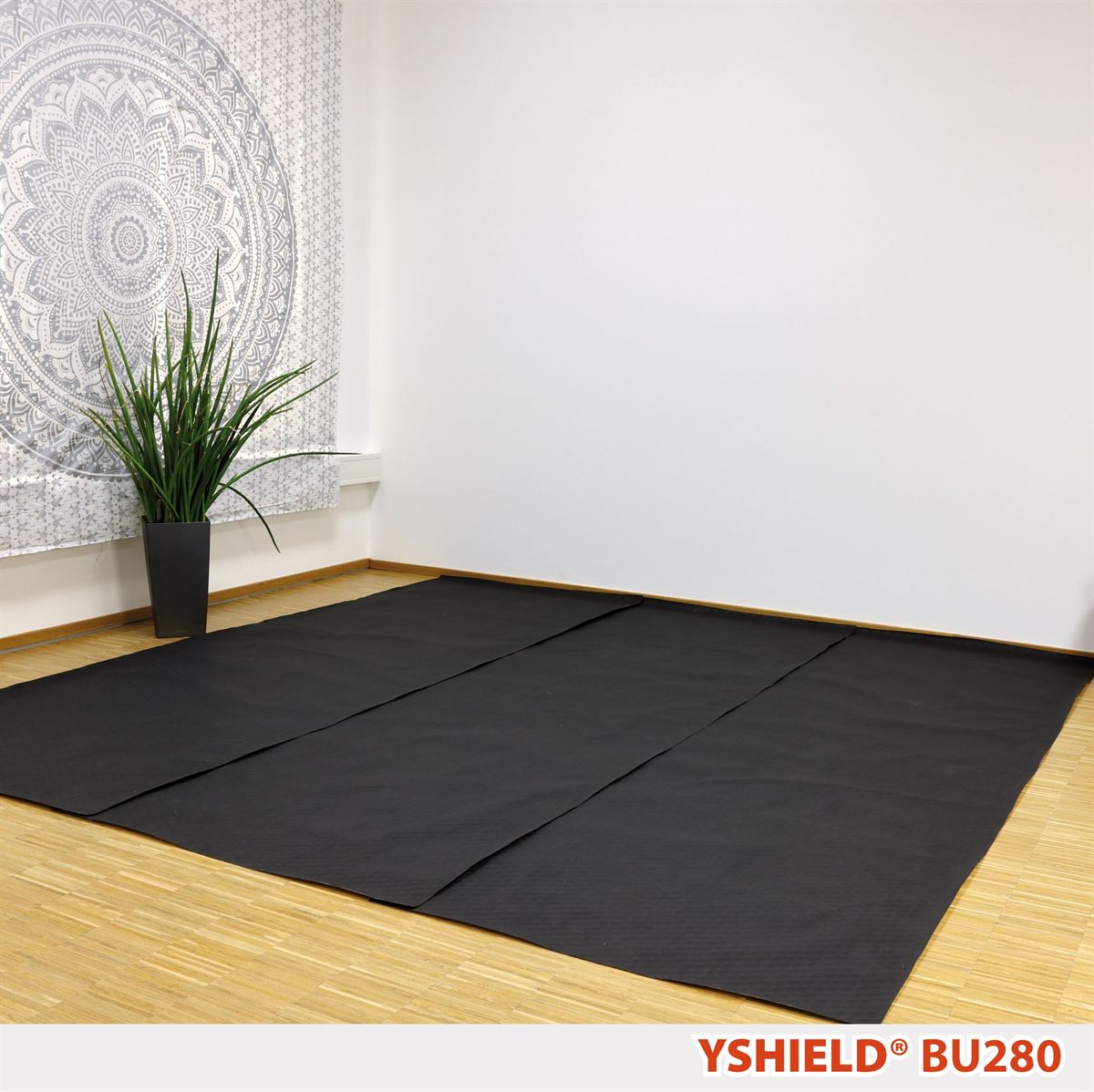
1) Source clean-up: take the transmitters out of the room, put phones in flight mode, clear away unnecessary extension leads. 2) Wiring: have an NA7 demand switch fitted to the bedroom circuit; consider NCV95 fleece for the wall behind the bed. 3) External sources: based on measurements, apply paint to the relevant wall and film or net curtain to the glazing. 4) The last stronghold: turn the bed into an independent protected volume with a canopy or a SAFECAVE tent plus floor mat.
Take a control measurement from the same spot after each step: seeing what each one gains keeps both the budget and your motivation on track.
Frequently Asked Questions
Canopy first or paint first?
If you rent or want quick results, canopy plus floor mat is the most practical start. If you are staying long term and the source comes from a single façade, the paint-plus-film combination solves the room as a whole; a canopy can be added on top.
Is charging the phone overnight a problem?
At the bedside with mobile data on, yes — periodic synchronization transmissions continue. Charging in flight mode, or moving the charger to the far end of the room, are two clean solutions.
Do I have to reach the SBM-2015 values?
No — they are precautionary targets, not legal requirements. Most projects aim to move from the 'severe' band down to the 'slight anomaly' band; a consistent reduction matters more than the absolute value.